September 30, 2026
The civil engineering market has experienced substantial growth in recent years, driven by technological advancements, population shifts, infrastructure investment, and changing environmental priorities.
Communities around the world require stronger transportation networks, modern utilities, resilient buildings, and more efficient public spaces. At the same time, aging infrastructure must be repaired or replaced to meet modern safety and performance expectations. These overlapping needs are creating significant opportunities throughout the industry. As populations increase and urban areas expand, civil engineers are being asked to develop practical solutions that balance cost, safety, sustainability, and long-term performance.
Advancing Projects With Digital Technology
Technology has transformed how infrastructure projects are planned, designed, constructed, and maintained. Building Information Modeling (BIM), for example, allows project teams to create detailed digital representations of structures before physical construction begins. These models help professionals identify potential conflicts, coordinate different building systems, and make design adjustments earlier in the process. Better coordination can reduce costly mistakes while helping projects stay within established schedules and budgets.
BIM also supports communication among architects, contractors, developers, and civil engineers by providing a centralized source of project information. Instead of relying on separate drawings and disconnected documentation, teams can collaborate using models that show how individual components interact. Digital records may remain valuable after construction as well, helping owners understand structural systems and plan future inspections, repairs, or upgrades.
Applying Artificial Intelligence and Data Analytics
Artificial intelligence and machine learning are creating additional opportunities for efficiency. These technologies can process large quantities of information to identify patterns, estimate risks, and support informed project decisions. Data-driven systems may help optimize construction schedules, allocate resources, evaluate site conditions, and identify potential problems before they cause major delays. Civil engineers can use these insights alongside professional expertise to make more informed decisions throughout a project's lifecycle.
Predictive technologies are also becoming useful for infrastructure maintenance. Sensors installed on bridges, roads, buildings, and utility systems can collect information about performance and changing conditions. Analytical tools can then evaluate that information for signs of deterioration. Earlier detection may allow maintenance teams to address developing problems before they become more disruptive or expensive, improving the long-term management of valuable infrastructure assets.
Expanding the Potential of 3D Printing
3D printing is another technology influencing construction and infrastructure development. By creating components layer by layer, these systems can reduce certain forms of material waste while allowing designers to produce complex shapes. The technology also offers opportunities for faster production of selected building components and customized designs. These advantages could be especially valuable in locations where conventional construction resources or skilled labor are difficult to access.
Interest in 3D printing has also grown because of its potential applications in housing and infrastructure. Continued improvements in equipment and printable construction materials could expand the range of practical applications. When combined with careful engineering and appropriate building standards, additive manufacturing may complement traditional construction methods rather than replace them entirely. This flexibility gives civil engineers another tool for responding to changing project requirements and resource limitations.
Improving Surveys With Drones
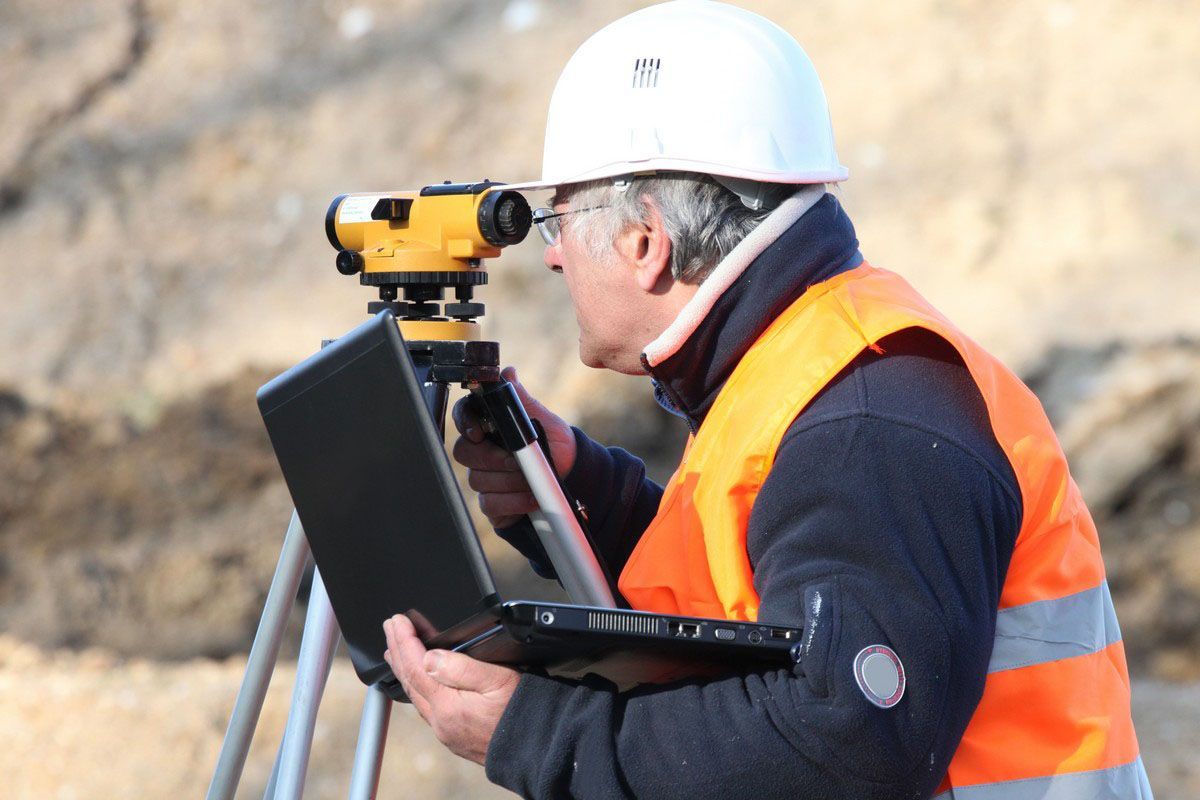
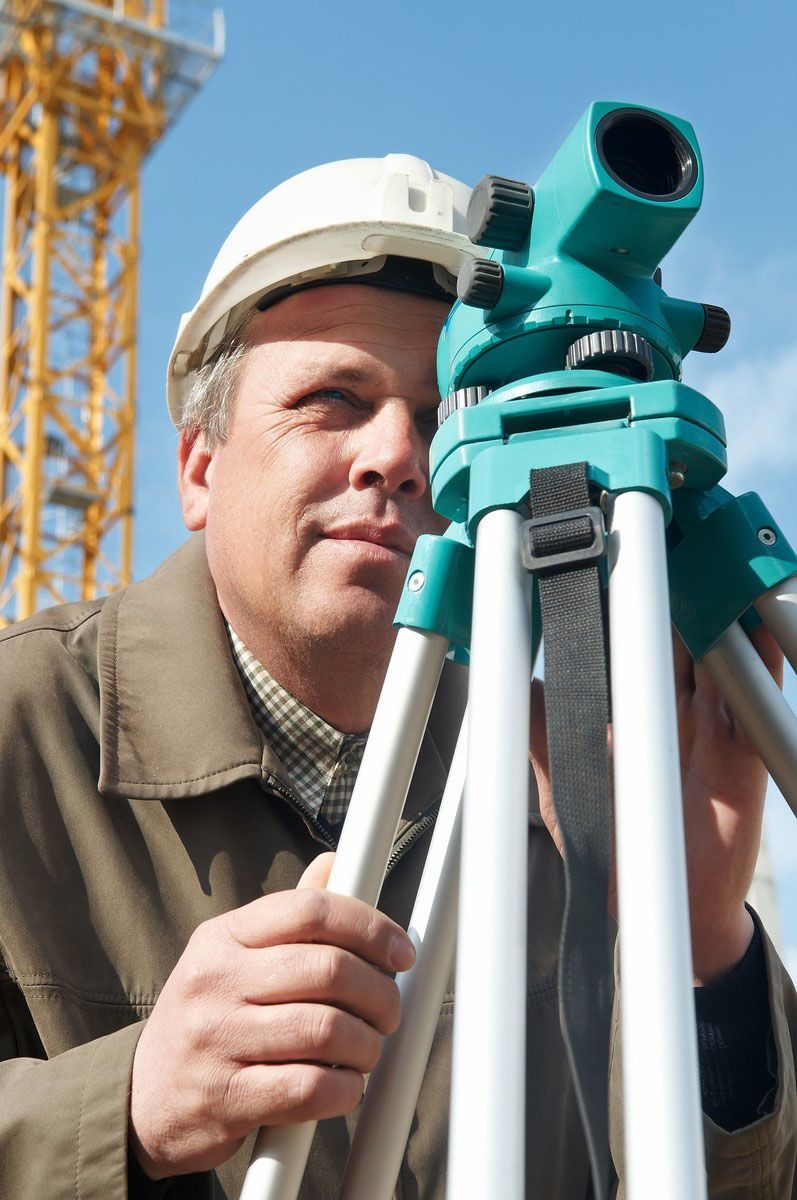
Drones have changed how many project teams approach surveying, inspection, and construction monitoring. Aerial equipment can collect detailed imagery and site information relatively quickly, allowing professionals to evaluate large or difficult-to-access areas. Project teams can use drone information to document progress, study terrain, inspect structures, and identify conditions that may require further investigation.
Drone technology can also improve safety by reducing the need for workers to enter hazardous areas solely to conduct preliminary visual inspections. When drone imagery is combined with mapping software and data analytics, civil engineers can gain a more complete understanding of project conditions. Frequent data collection also makes it easier to compare actual construction progress with project plans, supporting more responsive management and documentation.
Prioritizing Sustainable Construction
Environmental concerns are reshaping expectations for infrastructure. Sustainable construction may involve recycled materials, energy-efficient systems, responsible water management, reduced waste, and designs that account for long-term environmental impacts. Rather than considering sustainability only after a project is designed, many teams now incorporate environmental objectives during the earliest planning stages.
This shift can produce both environmental and economic benefits. Durable materials and energy-efficient systems may lower operating or maintenance expenses over the life of a facility. Green infrastructure can also help communities manage stormwater, extreme heat, and other environmental pressures. Civil engineers increasingly need to consider how infrastructure will perform not only when construction is completed but also decades into the future.
Responding to Population Growth and Urbanization
Population growth and continued urbanization are major forces behind demand for new infrastructure. Growing communities require roads, bridges, housing, water systems, wastewater facilities, schools, public spaces, and other essential services. Existing systems may struggle to accommodate additional residents, particularly in areas that experience rapid development over relatively short periods.
Urban expansion also creates opportunities to rethink how communities use available space. Mixed-use developments, pedestrian-friendly neighborhoods, green spaces, and improved transportation connections can help cities accommodate greater population density while maintaining accessibility. Thoughtful planning is especially important because infrastructure decisions made today may influence development patterns for generations.
Investing in Modern Transportation Systems
Transportation infrastructure remains a major component of civil engineering activity. Expanding metropolitan areas need efficient ways to move residents between homes, workplaces, schools, commercial districts, and public services. Roads remain important, but many communities are also investing in rail, bus systems, pedestrian networks, bicycle infrastructure, and other transportation alternatives.
Designing these systems requires careful consideration of safety, accessibility, capacity, environmental impact, and future demand. Civil engineers contribute to transportation projects by evaluating site conditions, designing supporting infrastructure, addressing drainage requirements, and coordinating complex construction activities. Modern transportation investment can also encourage economic development by improving access to employment centers and commercial areas.
Developing Smarter Cities
Smart-city initiatives combine physical infrastructure with digital technology to improve how urban systems operate. Sensors, connected devices, automated controls, and data platforms can help communities monitor traffic, energy consumption, water systems, public facilities, and environmental conditions. Real-time information can allow local authorities to respond more effectively to problems and make better-informed infrastructure decisions.
The success of smart-city projects depends on integrating technology with durable physical systems. Digital tools cannot compensate for poorly designed roads, utilities, drainage systems, or public facilities. Instead, technology and traditional engineering must work together. This integration creates opportunities for infrastructure that is more responsive to changing conditions while supporting efficient resource use.
Modernizing Aging Infrastructure
Many communities must address infrastructure that was constructed decades ago and is approaching or exceeding its intended service life. Aging roads, bridges, water mains, sewer systems, and public buildings can create safety concerns and higher maintenance expenses. Repairing or replacing these assets represents a major source of ongoing demand within the civil engineering sector. According to Gitnux, $4.9 trillion is the estimated annual gap in global infrastructure investment needed through 2030, supporting long-run civil engineering demand. This substantial investment gap highlights the scale of resources that may be required to modernize existing systems while also developing infrastructure for growing populations.
Modernization does not always require complete replacement. Structural reinforcement, updated materials, improved drainage, new monitoring systems, and targeted rehabilitation can sometimes extend an asset's useful life. Civil engineers evaluate existing conditions and help determine which approaches are appropriate based on structural performance, project goals, available funding, and expected future demand.
Future growth will depend on the industry's ability to combine technical expertise with adaptable planning and responsible resource management. As communities seek safer, more efficient, and more resilient infrastructure, civil engineers will remain central to turning those goals into functional systems. Continued investment in technology, workforce development, modernization, and sustainable design can help the sector respond effectively to changing needs while supporting communities for decades to come. Contact our team at Voss Engineering Inc today and learn more about our civil engineering services.